A big year

I’m a fan of ritual, though I have few rituals in my life. One that I cling to is taking a moment every December 31 to assess the year I’ve had, and on January 1 to look at and plan some goals for the year that follows. So here we go, part 1.

2015 has been a big year–I’m going out on a note of gratitude. It’s been a year of fulfilling work projects with inspiring collaborators, unforgettable times spent with friends and family, mind-bending beauty in wild places and meaningful moments that will never leave me. As a freelance photographer and writer I was able to work in 2015 in landscapes I know and love–the Anacostia River watershed, the US-Mexico borderlands, the longleaf pine forests and pitcher plant bogs of the southeastern United States–as well as ecosystems new to my eyes or long-missed–the Mojave River in California and the Grand Tetons in Wyoming.

I live in a community of giving, creative people, I have enough of everything I need and I’m healthy.

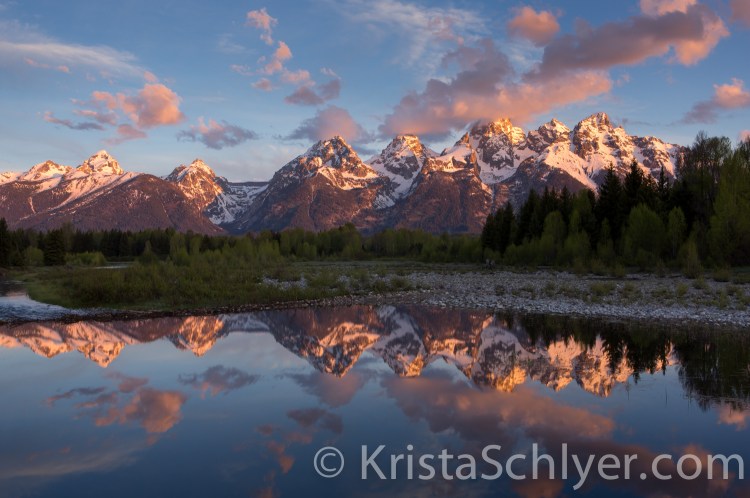
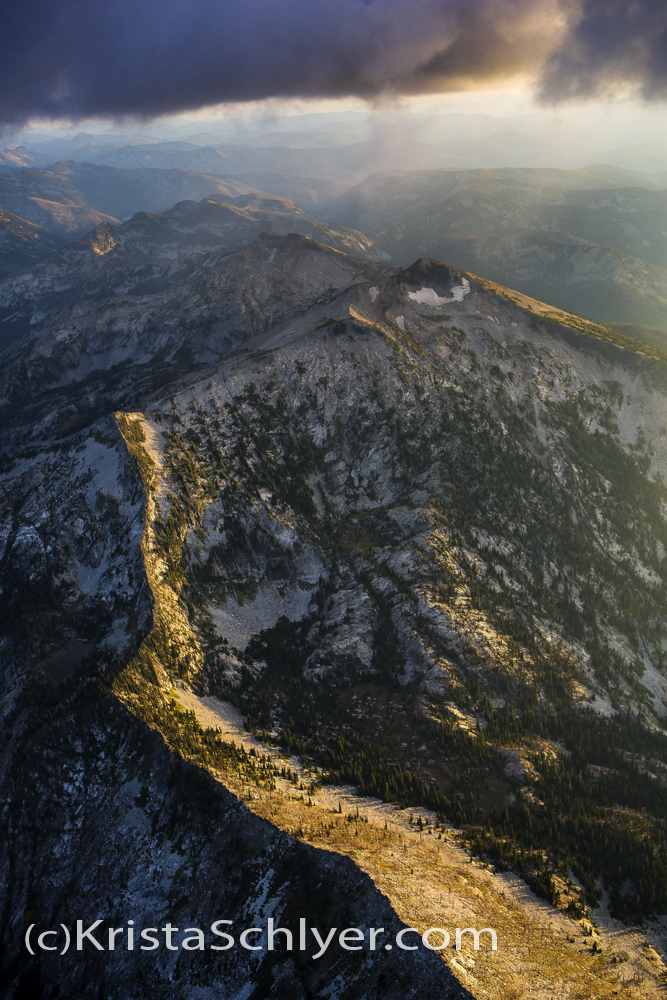
Sunrise in Grand Teton National Park with the Snake River.


Along with meaning and contentment comes challenge, and 2015 has not been without challenge. I’ve watched beloved friends struggle with illness and loss, offering what I could, which is never enough. I’ve seen the world swirl in violence, fear and hate while global challenges beyond our reckoning, as well as opportunity and possibility, sit on the margins unobserved by most. I’ve watched a lifelong dream of sailing around the world almost crumble in a 30-year-old boat named Maggie May that has drained most of my life savings. And I’ve relived over and over some of the worst hard times of my life in publishing  and discussing my new book Almost Anywhere.


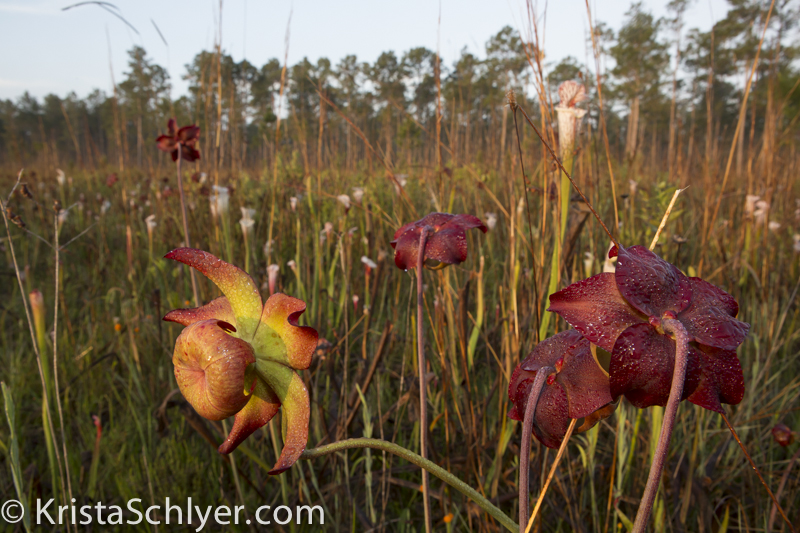
Longleaf 2014-2181 web


2016 is a crap shoot. Anything could happen, though I’ll be working my ass off to effect hoped-for outcomes (to be determined tomorrow). I’m prepared to be unprepared and over or underwhelmed, and as for adversity, bring it on. I have been watching the fire-prone ecosystems of the Southeast for some time now and have learned a basic lesson of Earth’s ecosystems, be they personal ecosystems, cultural, or natural like a longleaf pine forest. That is, without fire, there can be no light hitting the forest floor. And without that light, all of the little beautiful things that sprout from the soil or the soul, simply cannot be. And all of the even tinier things that live inside those little beauties, well they don’t stand a chance. I would trade every McHappy moment for one of those lovely little fireflower forbs.

Wishing you all a year of fireflowers in 2016.

Almost Anywhere in Denver

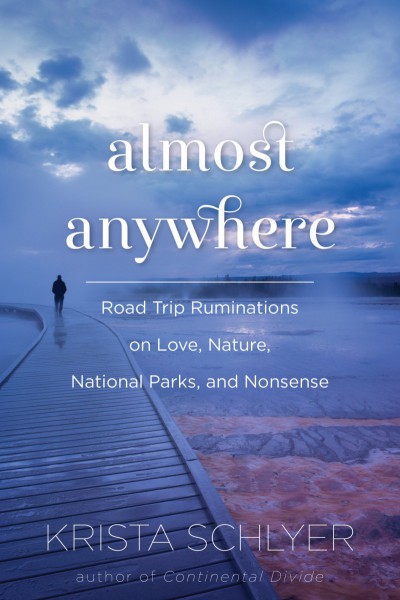
I’m coming to Denver! I’ll be doing a book reading and signing for Almost Anywhere: Road Trip Ruminations on Love, Nature, National Parks and Nonsense at the Tattered Cover on December 10.  In a nutshell the book tells the story of a trio of misfits wandering the American road in search of wild nature, national parks and cheap Pringles.

What: Tattered Cover reading of Almost Anywhere

When: Thursday December 10, 7pm

Where: Tattered Cover Historic LoDo
1628 16th St. Denver, Colorado 80202

http://www.tatteredcover.com/new-event-calendar

#tatteredlodo

The Sinlessness of Predation


This week I’m starting a monthly blog of excerpts from my new book Almost Anywhere: Road Trip Ruminations on Love, Nature, National Parks and Nonsense. This first excerpt is one of my favorite passages from the book, about one of my favorite places, the Cranberry Glades Botanical Area in the Monongahela National Forest of West Virginia. And its about one of my favorite plants, the carnivorous pitcher plant. If you like the excerpt, there’s more where this came from. Pick up a signed copy of the book in my bookstore, or get a copy on Amazon, Barnes & Noble, or, even better, your local bookstore.
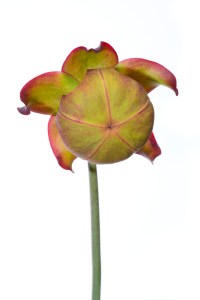
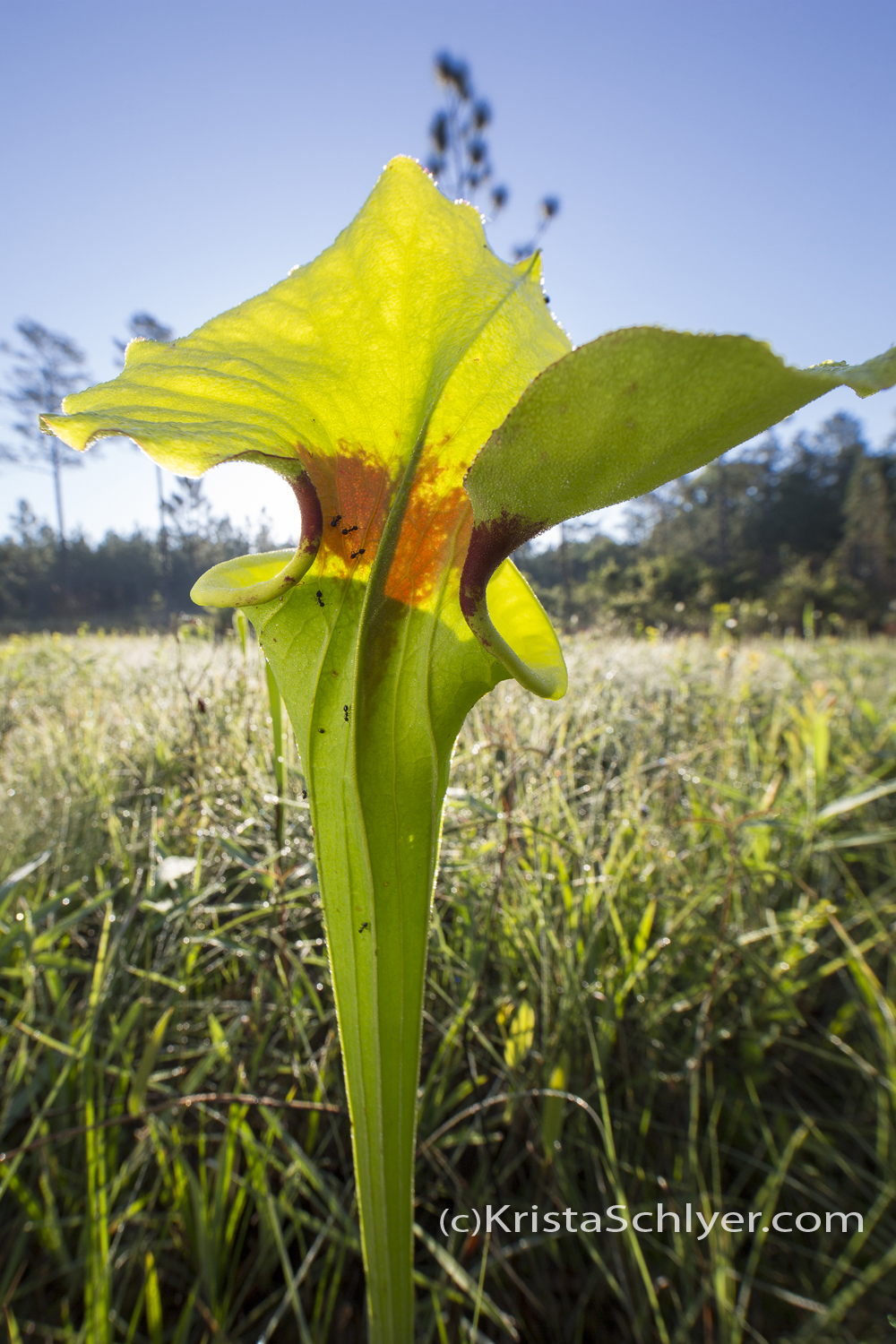
The flower of a white-fringed pitcher plant, Alabama. (c) Krista Schlyer


Excerpted from Almost Anywhere, by Krista Schlyer

Sufficiently awakened, we decide to make the thirty-minute drive to Cranberry Glades Botanical Area. As entertainment on the way, Bill and I try to sing “The Little Drummer Boy,” but cannot come up with the words. For twenty minutes we sing a loop of: “So, they told me, parumpapumpum, a new born king to see, parumpapumpum, da da da da da da, parumpapumpum, rumpapumpum.”

When we arrive at the Cranberry Glades, we step out into a misting rain for a short hike. Bill sets Maggie in the back while he rummages around looking for her leash and a plastic bag to pick up any droppings Maggie might make along the way. I hear him singing to her as he searches, “You get to walk with us, parumpapumpum.”

Maggie’s ears perk up and she cranes her neck to look up at Bill.

“I’ll get a bag for you, parumpapumpum.

Maggie’s alert eyes say, ‘Yes, yes, go on…I’m listening’

“We’ll put your shit in it, parumpapumpum, rumpapumpum rumpapumpum.”

When Bill has Maggie all squared away, we set out for a walk on the boardwalk that passes over a rare remnant of bog formed 10,000 years ago when glaciers marched over West Virginia. In most places this far south, this ecosystem could not have gained a foothold. But here, nestled in a cool wet crook of the Appalachian Mountains the cranberry bog took root. Cranberries, one of the few fruit species native to North America, were a staple for the land’s earliest human inhabitants. The plant itself can live for 100 years, and generations upon generations of its ancestors have amassed as a spongy platform of peat upon which rests the current blanket of bog plants.

In this place, the death of a thousand years of plant life rests in peace just below the surface of the landscape and forms a springy carpet that cushions the current generation of vegetative, but not vegetarian, life. Because the land is acidic and nutrient poor, some plants must rely on predatory prowess to survive. The sundew attracts insects with sweet secretions along the length of its tentacle like stalks. When the insect takes the bait, it becomes stuck in the sticky liquid, and begins to struggle for freedom. Alert to this movement, the plant contracts to more fully envelop the insect and then secretes enzymes to digest the hapless creature.

Sundew 6-2013-1087

In similarly sneaky fashion, the pitcher plant lures insects into its funnel shaped leaf. When prey falls inside, it becomes trapped in a sort of stomach soup of enzymes.

Carnivorous plants hold a special fascination for us humans. We think of plants as benign, sedentary, guileless. But members of the “other” kingdom have special niches and strategies for survival just like we do in the animal kingdom. We are all looking for ways to hold on, enraptured by life in all its cruel kindness. The infinite ways that we manage to do that, conjured up by countless forms of life, offer an eternity of lessons in living. And the pitcher plant in particular, presents a perfect symbol: It represents a form of life that has by necessity adapted itself through the ages of the earth into a creature stunning in its beauty and brutality.

As I observe pitcher plants sprouting out of the boggy ground in the Cranberry Glades, I recall a reflection by Janisse Ray in her book Ecology of a Cracker Childhood.

She writes, “The pitcher plant taught me to love rain…Its carnivory taught me the sinlessness of predation, and its columns of dead insects the glory of purpose no matter how small. In that plant I was looking for a manera de ser, a way of being–no, not for a way of being, but of being able to be. I was looking for a patch of ground that supported the survival of a rare, precious and endangered biota within my own heart.”


Note: These photos not taken at the Cranberry Glades.
My new book – Almost Anywhere – released today!

My new book, Almost Anywhere: Road Trip Ruminations on Love, Nature, National Parks and Nonsense, has been released today by Skyhorse Publishing. Win a copy of the book on Goodreads!


The book tells the story of a year-long adventure I took around the United States to almost every national park and many other wild places–from the home of gentle manatees on the Crystal River to the wind-swept hillsides of the Columbia River Gorge. The journey began as a desperate escape from urban isolation, heartbreak, and despair, but became an adventure beyond imagining. Chronicling a colorful escapade, Almost Anywhere explores the courage, cowardice, and heroics that live in all of us, as well as the life of nature and the nature of life.

Early reviews for Almost Anywhere:

“Brave, beautiful, and utterly captivating, Almost Anywhere breaks your heart and puts it back together again on a long and often arduous road trip across an America where the uncertain future is always just beyond the horizon and the immutable past rushes at you without remorse. Measuring the sharpness of loss against the hugeness of life, Krista Schlyer has found her way, page by page, to a rare state of grace. An amazing book.”

—William Souder, Author of On a Farther Shore: The Life and Legacy of Rachel Carson


“Outstanding, wry, heart-wrenching and healing. Those words describe Almost Anywhere, which hits the bull’s-eye as a cross between Wild and Let’s Pretend This Never Happened. Krista’s unique voice will draw you in and take you on a journey to the intersection of unfathomable grief and the healing power of wanderlust.”

––Michele Theall, Author of Teaching the Cat to Sit


“This book is an American map. . . . If you want to feel a journey at skin level all the way to the heart, this is your route.”

––Craig Childs, Award-winning author of House of Rain


You can buy the book at any bookstore or order it online at AmazonBarnes and Noble, or purchase a signed copy on my website. And in celebration of the book’s release, I’m giving away 5 FREE copies on Goodreads: https://www.goodreads.com/book/show/24693936-almost-anywhere

A Cry for the Borderlands Into the Partisan Wilderness of Washington DC


For 10 years, ever since the passage of the REAL ID Act in 2005, the wildlife, people and ecosystems of the US-Mexico borderlands have suffered the destruction of unprecedented militarization and the waiver of environmental and many other laws. Senator John McCain is working to expand borderlands destruction and disenfranchisement through a bill S750, cynically titled “The Arizona Borderlands Protection and Preservation Act.” I visited his senate office yesterday with members of the Sierra Club Borderlands Team, and sat down with a staffer who listened politely and patiently waited for us to leave. Today I wrote this letter to Senator McCain via his legislative aide–asking him to withdraw his bill waiving all laws within 100 miles of the Arizona border:

Dear David,

Thanks so much for the meeting yesterday with myself and the Sierra Club. I realize there are many issues we see differently, but I hope we can find a meeting place of common ground in the borderlands. In this region over the past 10 years, our national parks, environmental laws and wildlife conservation efforts have been reeling blow by blow as our nation has erected walls and moved border enforcement further and further from the actual border. Senator McCain’s bill S750 would further expand that region of lawlessness to 100 miles from the border, stripping the land and its inhabitants of all laws, and putting all of southern Arizona at the whim of whoever controls DHS.

Border patrol already has unprecedented authority over all other federal agencies on the border, (and in the entire nation–with the CBP budget exceeding that of all other federal law enforcement agencies combined). People, environmental and civil rights organizations are essentially powerless in relation to the massive presence of DHS in the borderlands. I have seen the destruction that has come from this excessive power for a single federal agency. And I have been at the receiving end of this undemocratic imbalance of power–with my vehicle searched multiple times (nowhere near the border), being stopped and questioned by armed agents and intimidated just for being on public lands within 20 miles of the border.

DHS itself has repeatedly testified to Congress that it does not need or want further waiver authority in the borderlands, making all of the recent attempts to strip environmental protections from the region curious. Immigration is at net-zero and we know most illegal drug imports come through the ports of entry, and there has never been a single documented case of a terrorist coming across the southern border–so we have to ask ourselves, what is motivating the never-ending string legislation that aims to remove environmental protections and increase expensive border militarization that is born on the backs of American taxpayers?

Basically what we were asking in our meeting, and what the Sierra Club is asking going forward, is for a commitment from Senator McCain to protect our borderlands parks, refuges and people from further disenfranchisement and destruction. Please urge your boss to withdraw S750, and to oppose any other form of expansion of legal waivers on the border. And in the future to oppose any further attempts to add walls and waivers to immigration bills. The lives of the people and wildlife, and the ecological integrity of our national parks, wilderness and wildlife refuges on the border should not be handed over as a bargaining chip for immigration reform or electoral politics. We need Senator McCain’s help.

I am attaching a link to a slideshow/book talk that I have done around the country to help the public understand what’s at stake in the borderlands. I hope you will take a look at it and show it to your boss
.

Again, thanks very much for your time.
Best wishes,
Krista

The Pity of Donald Trump

As I watched Donald Trump repeat his “more border wall” mantra last night during the first GOP primary debate, my mind returned to a moment earlier in the day when I was working on an annual report for Humane Borders, a non-profit dedicated to providing humanitarian aid to vulnerable migrants traveling the arid Arizona borderlands. I had been editing a profile of Humane Borders’ Executive Director Juanita Molina, in which she talked of what motivated her to do the work she does. She recalled a day a decade ago when she was working for an HIV clinic in California and a young man came in asking for help. He led Juanita to a car where she saw another young man, emaciated and unmoving. She thought he was dead. But just then he opened his eyes and smiled at her. Juanita got the young man and his partner to the emergency room, where he survived for four days. During that time they told Juanita of the arduous journey that had brought them to the Arizona border, and how, when the one man became too weak to walk any further, his partner strapped him to his back and carried him.

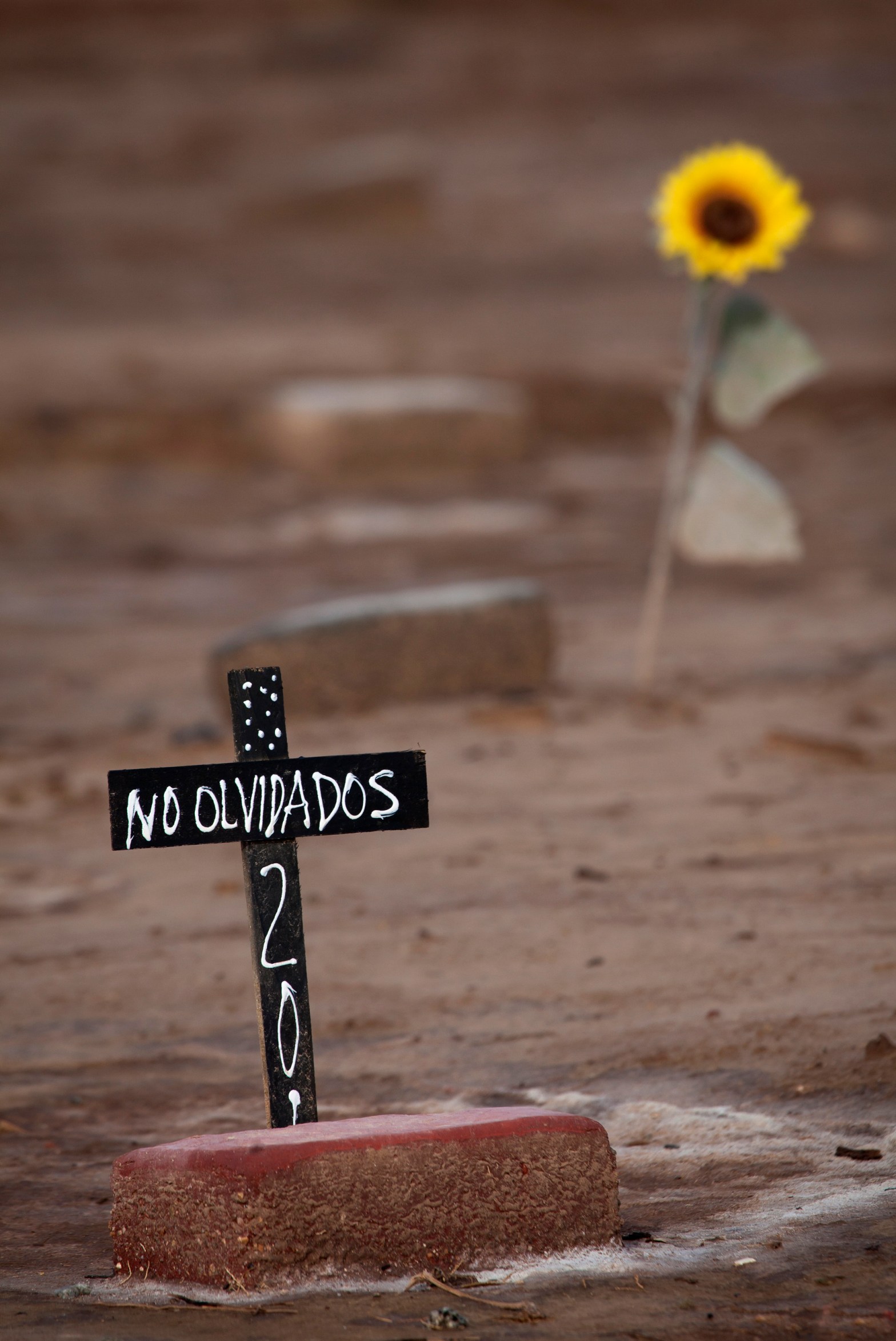
Stories like this, weighty with love, sacrifice and courage, are not rare in the borderlands. I have heard many over the past 8 years since I’ve been working in the region. In my book Continental Divide: Wildlife, People and the Border Wall I recount the story of Josseline Quinteros, a 13-year-old girl who died in the Arizona desert when she grew weak on her journey from Guatemala, and rather than hold up her group she urged a coyote to leave her and get her little brother safely to their mother in Los Angeles.

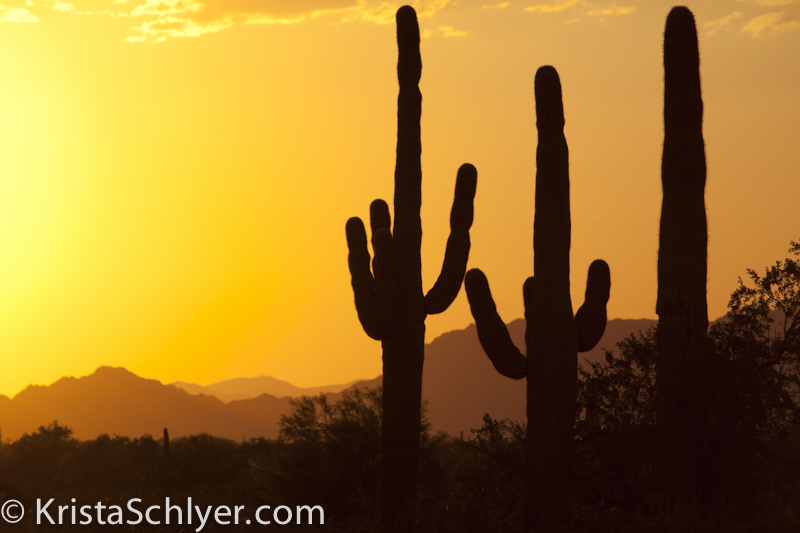
Sonoran Desert National Monument

Donald Trump cannot see people like Josseline and the men in California, or even Juanita, because he understands life only in two dimensions. He is afraid and loud because of this deficit of understanding in a world of infinite dimensions and complexities and beautiful cruel textures. There are an eternity of forms of human relationships and challenges and infinitely faceted connections within the world of nature, a truly eternal complexity of every element interacting with every other. You can see glimpses of it in the love bond of a man who carries his dying partner through the desert and a sister willing to give her life so that her little brother will live, and the many devoted people who like Juanita, and Humane Borders, give everything they have to help those in crisis. And you can see it quite clearly in every moment that you look into the quiet world of nature. This world is an endless imaginarium of beauty, heroics, love and death. So, so much more than a mind constrained in two dimensions of fear and power can understand.

Trump is not alone. Almost every candidate on that stage parroted his call for more wall, more enforcement, more militarization, serious consequences for “illegals.” And with their loud voices they have been able to shape the story about immigration in in this nation built by immigrants–depicting migrants as criminals and freeloaders. These people, migrants, are really no different from us; they are heroes and loved ones and mothers and sons and fathers and daughters, not invaders or threats. And “illegal immigration” will not end until we have a legal immigration system that works by accounting for the great demand for cheap labor and by creating trade laws that  treat our neighbors fairly. The economic arguments for border militarization are laughable from every angle, from the tens of billions of dollars we have thrown away building a wall people can climb in 10 seconds, to the idea that immigrants are a drain on our economy. But in Washington DC, on either side of the partisan isle, there are very few who will stand up for Josseline or the borderlands. And the media is complicit for glorifying or even vilifying the Donald Trumps of the world; they help perpetuate the small, distorted two-dimensional mindset that has led to endless ecological distruction of the beautiful borderlands and the deaths of more than 6000 migrants. What a pity. For the Donalds and their inability to see clearly, and for the rest of us, who suffer the consequences.

Almost Anywhere coming soon!

My newest book, Almost Anywhere is scheduled for release October 6 from Skyhorse Publishing. You can pre-order in my website Book Store and in book stores nationwide.

Advance reviews for Almost Anywhere:

“Outstanding, wry, heart-wrenching and healing. Those words describe Almost Anywhere, which hits the bull’s-eye as a cross between Wild and Let’s Pretend This Never Happened. Krista’s unique voice will draw you in and take you on journey to the intersection of unfathomable grief and the healing power of wanderlust.” —Michelle Theall, author of Teaching the Cat to Sit

“Brave, beautiful, and utterly captivating, Almost Anywhere breaks your heart and puts it back together again on a long and often arduous road trip across an America where the uncertain future is always just beyond the horizon and the immutable past rushes at you without remorse. Measuring the sharpness of loss against the hugeness of life, Krista Schlyer has found her way, page by page, to a rare state of grace. An amazing book.” –William Souder, Pulitzer Prize finalist and author of On a Farther Shore: The Life and Legacy of Rachel Carson

Synopsis At twenty-eight years old, Krista Schlyer sold almost everything she owned and packed the rest of it in a station wagon bound for the American wild. Her two best friends joined her—one a grumpy, grieving introvert, the other a feisty dog—and together they sought out every national park, historic site, forest, and wilderness they could get to before their money ran out or their minds gave in. The journey began as a desperate escape from urban isolation, heartbreak, and despair, but became an adventure beyond imagining. Chronicling their colorful escapade, Almost Anywhere explores the courage, cowardice, and heroics that live in all of us, as well as the life of nature and the nature of life. This eloquent and accessible memoir is at once an immersion in the pain of losing someone particularly close and especially young and a healing journey of a broken life given over to the whimsy and humor of living on the road. Almost Anywhere will appeal to outdoor lovers, armchair travelers, and anyone struggling to find a way forward in life.

Neighbors


Wild Lands

Borderlands

“Continental Divide: Wildlife, People, and the Border Wall” – a short review and an interview with Krista Schlyer

“Continental Divide: Wildlife, People, and the Border Wall” – a short review and an interview with Krista Schlyer.


Thank you Marilyn, for your wonderful review of Continental Divide!

The Wildest Part of Washington DC

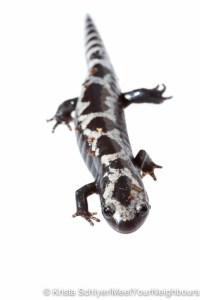
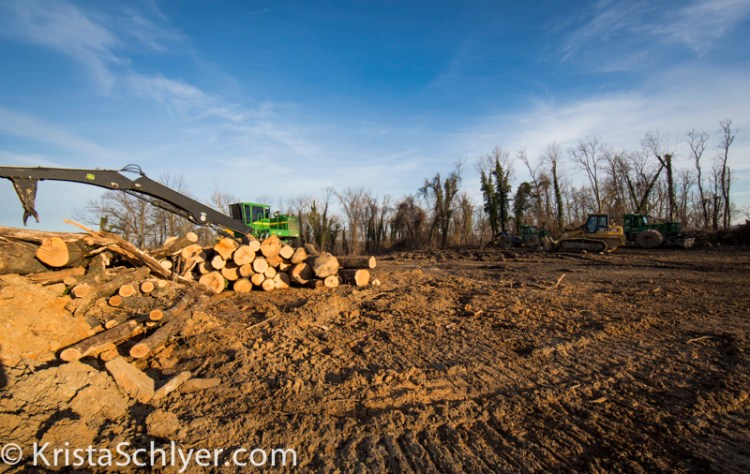
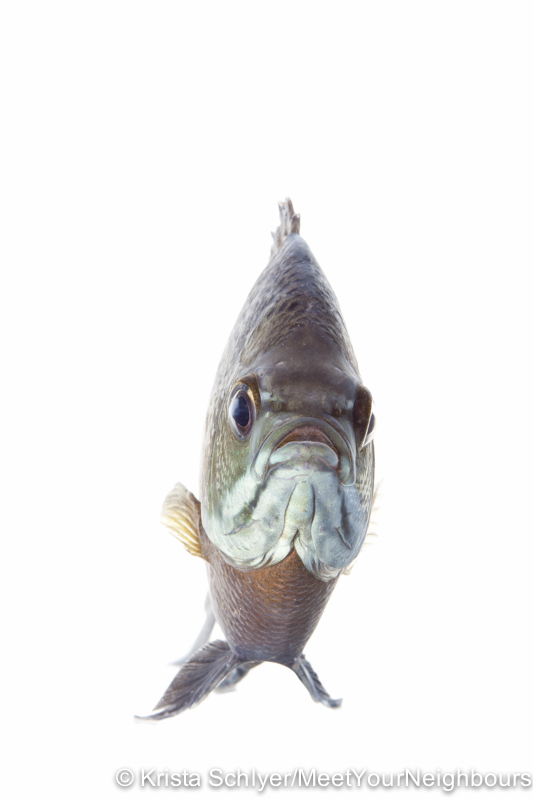
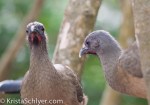
We all have a stake in what happens to our rivers, but perhaps none more so than the wild neighbors who share our urban waters and green space. They go unnoticed most of the time. They’re not present in the meetings where decisions are made to cut down urban forests, or pave over vernal pools.

In the Anacostia watershed in Washington DC and Prince George’s and Montgomery counties in Maryland, thousands of wild animal and plant species depend on the decisions we make. If we are going to choose wisely for them, and for us, we need to get to know our neighbors.

Meet more Anacostia neighbors in my photo gallery.

Anacostia Story

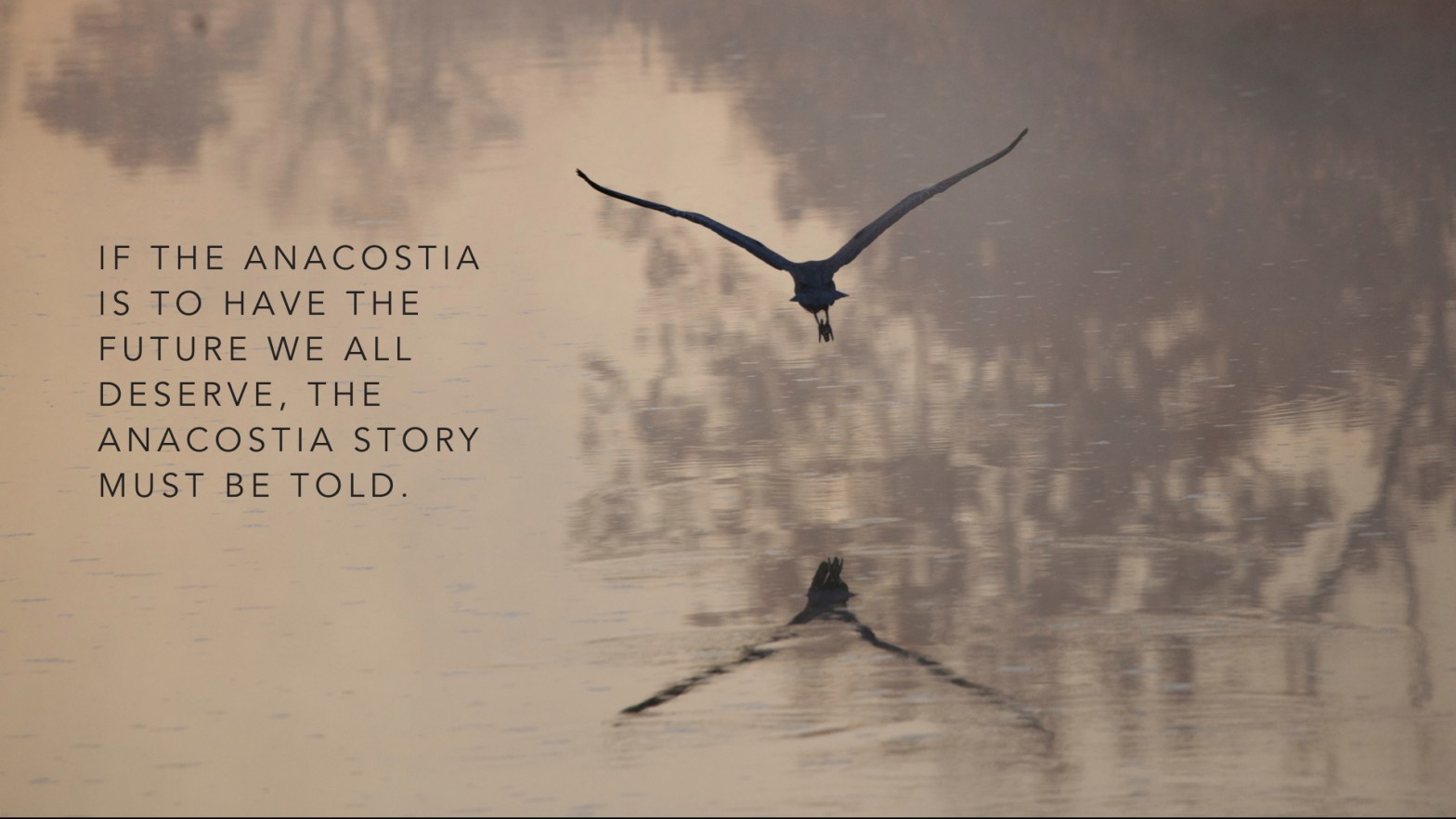
The Anacostia River was abused and neglected for more than a century, becoming one of the nation’s most polluted rivers, right in the heart of Washington DC. Today there is growing momentum for restoration of this watershed, but for a full recovery watershed residents must awake, and the Anacostia Story must be told. This slideshow represents a vision for a coffee table book about the Anacostia River, to be used to help elevate awareness and understanding of the watershed, and help more firmly establish the Anacostia’s central role in the quality of life of Washington DC residents.
Click on the first slide below to start the slideshow.

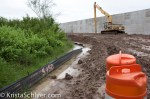
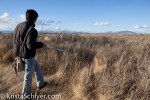
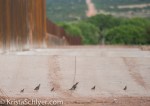
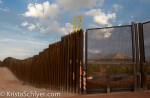
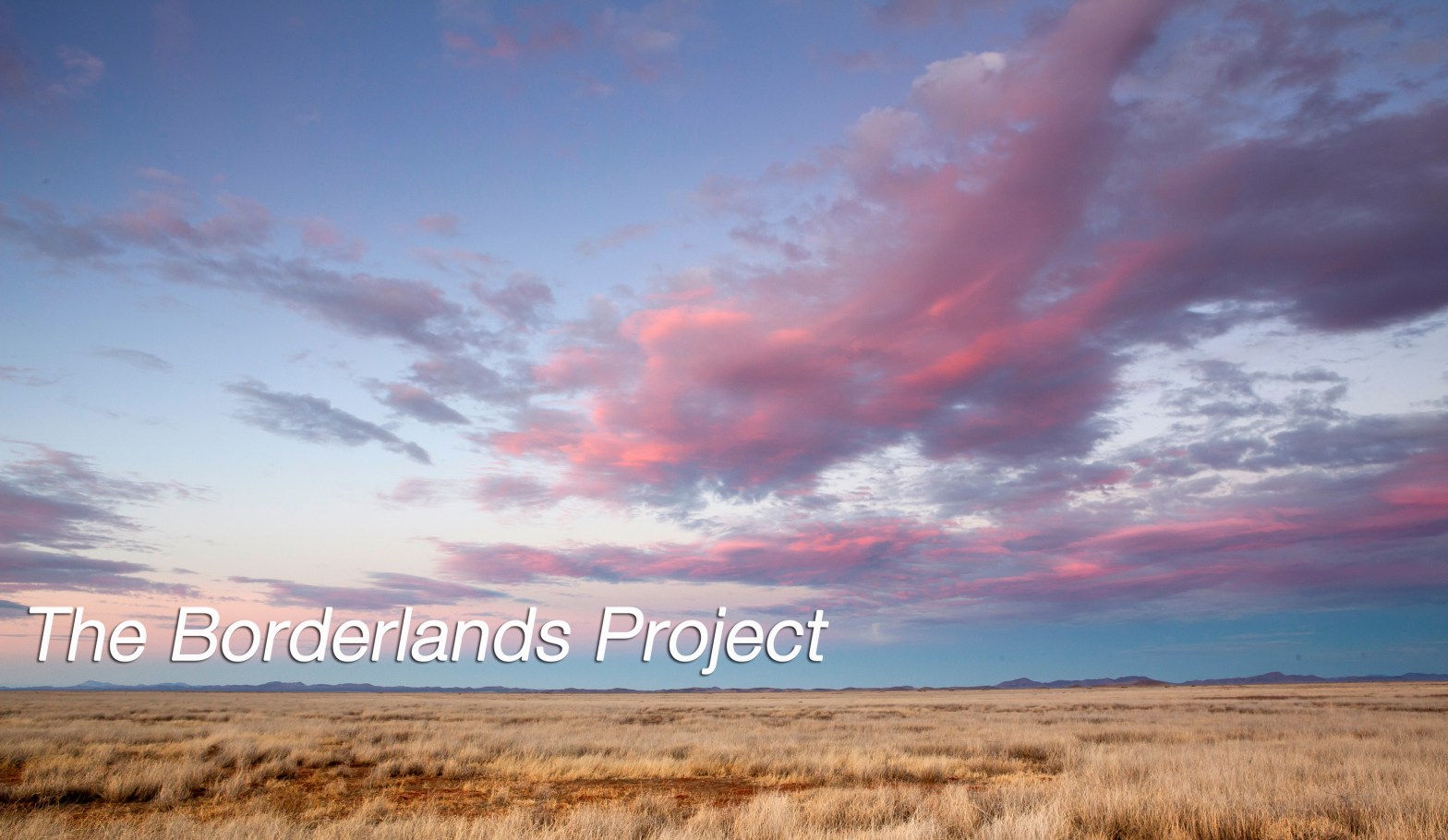
In the winter of 2008, the kit fox, bison, pronghorn and prairie dogs of the northern stretch of the Chihuahuan grasslands of North America survived on a drought-prone but relatively unbroken stretch of rare grasslands spanning the borderlands of the United States and Mexico. Only two years later, their habitat has been severed and movement northward ended for many species due to the dismissal of environmental law for construction of the U.S.-Mexico border wall. The Borderlands Project has been documenting the changes to ecosystems and human communities during this period, and working to ensure that the impacts of this policy are better understood by policy makers and the general public.


The remoteness of the borderlands region from most U.S. citizens lives, coupled with a news media focus on illegal activity and drug violence, has left most people with a tragically incomplete picture of the borderlands of the United States and Mexico. These remote wildlands harbor a relatively unknown ecological gem that stretches from the Pacific Ocean to the Gulf of Mexico across the belly of North America, providing safe haven for many wild species of plant and animal.

To learn more about the Borderlands Project, click here.

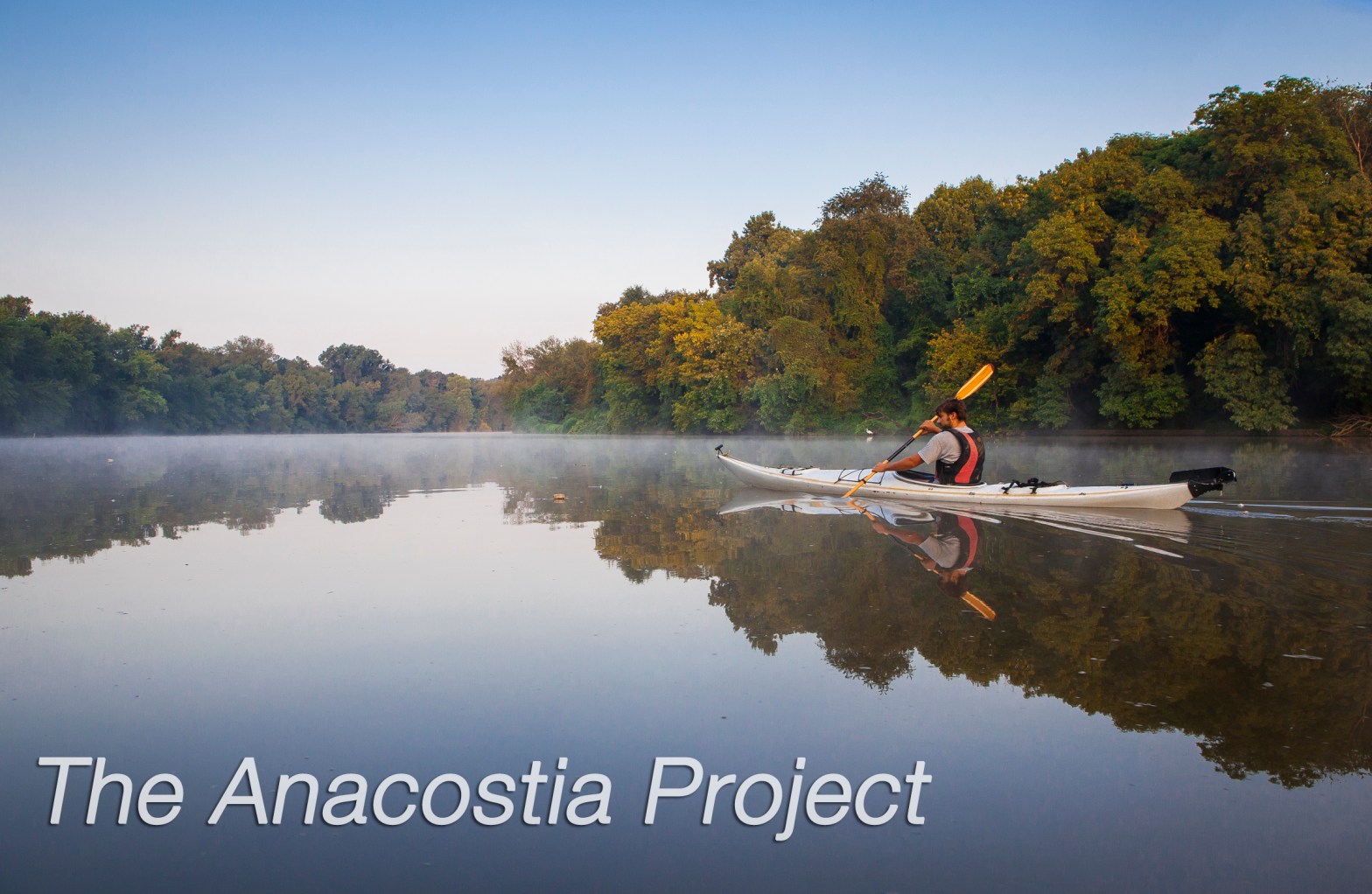
The Anacostia Project

The Anacostia was once a river teeming with fish, turtles and aquatic mammals that nurtured a rich biological community including native peoples descendent from the Algonquin tribe. But history descended upon the Anacostia when the Chesapeake Bay became one of the first centers of European colonization. First deforested and polluted by agricultural runoff, then forgotten and polluted further by urban runoff, the Anacostia diminished to one of the nations most denuded river ecosystems.

But change is afoot.

Anacostia 7-2014-7094 copy

A growing grassroots revival and renewed interest by municipal and county governments to restore this river has brought hope to the Anacostia and the many people and wild species that live along its shores. This river has the potential to be a natural gem supporting improved quality of life, economic improvement and habitat for plants and animals of the region. Surprisingly, there remain long stretches of the river, (which lies almost entirely within the Washington D.C. metropolitan area), that have not been developed.

The Anacostia Project aims to help local non-profits and governments build a campaign of community support around the river, to document current efforts to restore the river, and encourage local leaders to both recognize the great value of the river, and then make the Anacostia a priority.

Learn more about the Anacostia Project here.

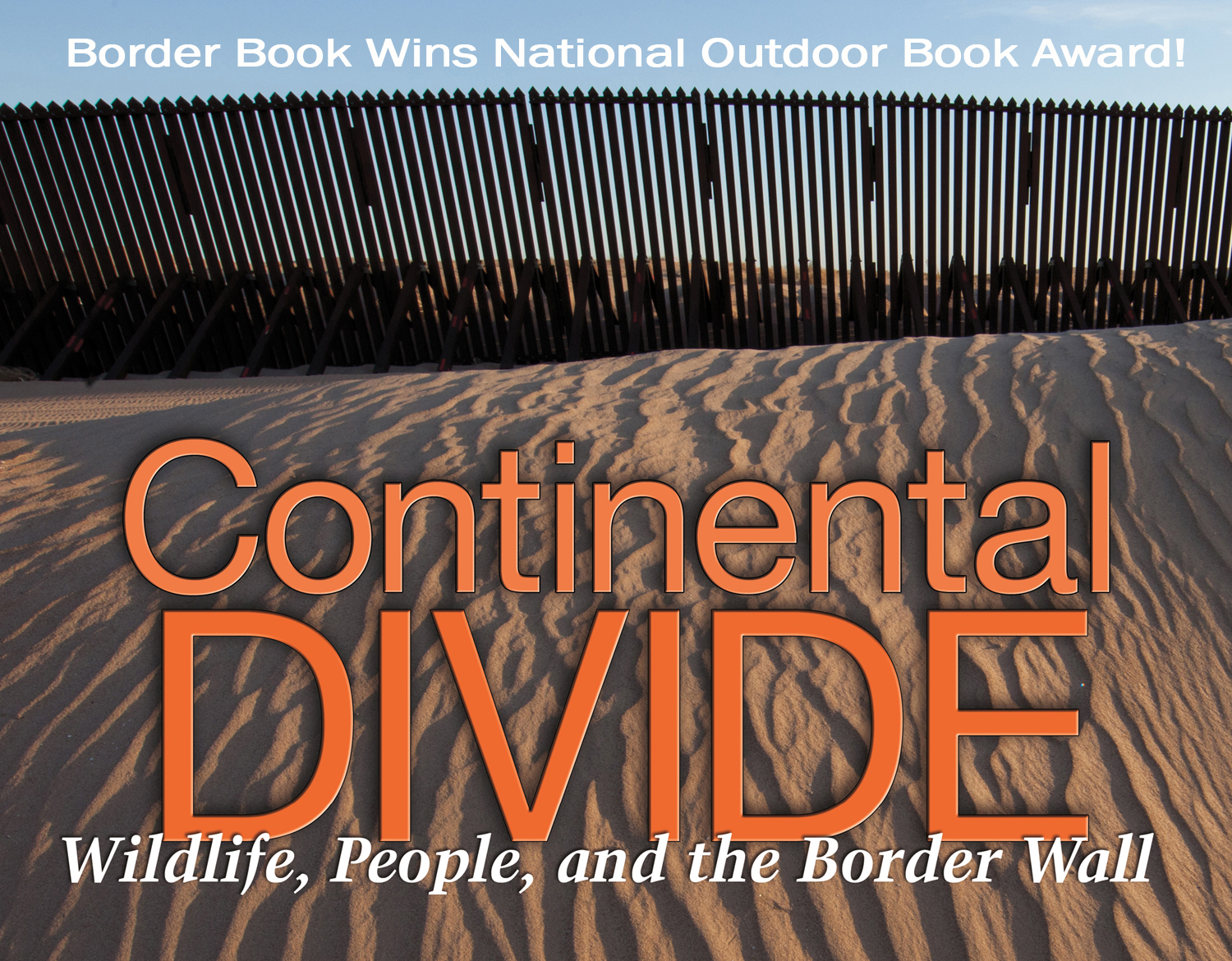
Borderlands book wins National Outdoor Book Award

My book about the US-Mexico borderlands was honored with a National Outdoor Book Award for 2013. The book is available on my website, Amazon, and many bookstores nationwide.