October 2026
Friends,
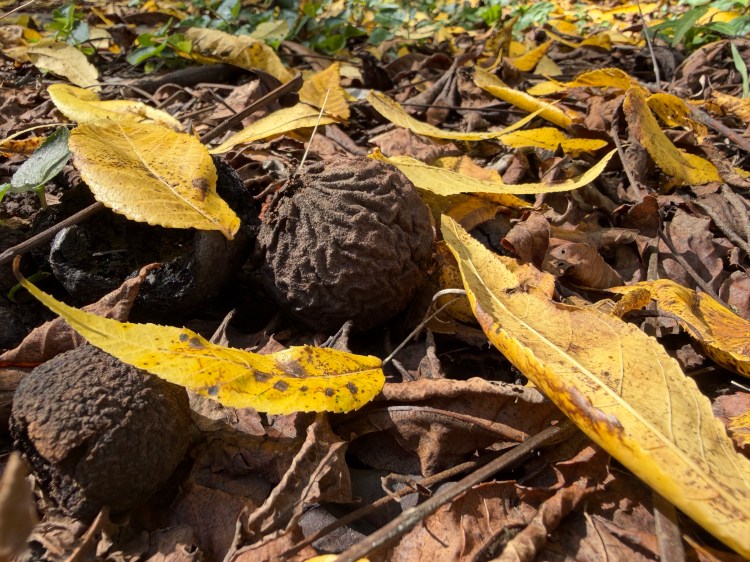
The last of the summer crickets are singing. Blue jays rifle through leaf-littler looking for the midnight blue fruits of the viburnum. An autumn breeze loosens leaves, laying a bright golden blanket beneath the walnut tree.
I sit on my porch thinking of John R. Wennersten, who died this past March. He was the author of many books about the Chesapeake Bay region, including Anacostia: The Death and Life of an American River. I knew him well, and not at all. I have a vague memory that we met once at some event near the river, and he smiled at me, and I smiled at him, and then in my introversion I bent my head and never said the words of gratitude that filled my heart.
John Wennersten gave story back to the Anacostia. He lifted her name and the forgotten names of those who lived and died around her; he gave memorable form to an amorphous thing cluttering the dusty shelves of the communal unconscious.
A river should never be forgotten.
John gifted much, including a breath of spirit that lives in the pages of my own book on the Anacostia River. And now he has rejoined the cosmos.
There have been several such losses this year. Writers who molded my work, my mind, helped make me who I am. How strange is a loss like this: when filaments of our unbounded selves are twanged in a sorrowful chord for a person we never knew.
For me the sharpest chord was struck by the death of Annie Dillard, just a couple of weeks ago. Dillard was the top of a list of writers who rearranged my imaginings, recalibrated my neural pathways, redrew the lines of my life-path.
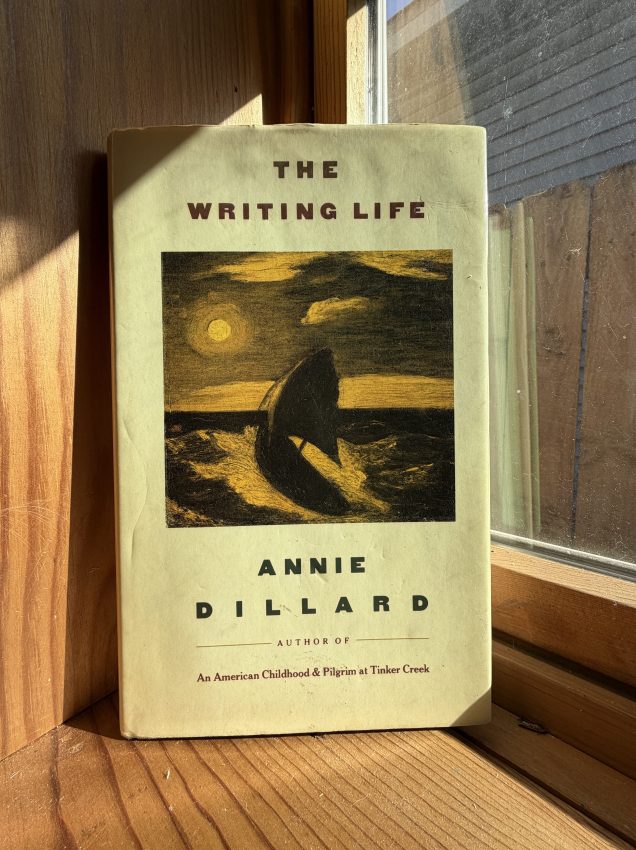
For those reading this letter, if you have some time to really be with the words of another being, I recommend Pilgrim at Tinker Creek, Teaching a Stone to Talk, and if you lean toward creative work, The Writing Life. I scanned a few of these for a short quote to share. Nothing brief jumped out at me. Dillard’s work is not really the quotable kind, it requires time and quiet, a reciprocation of the effort she put in. So much loving effort. She stopped writing some 20 years before her death, and when asked why, she replied, “Because I’m tired.”
Not surprising. Her work is dense and must have been hard to carry. It is about beauty mostly, and also absence and that core human inner-conflict: our need for connection banging up against our enduring isolation. Here is a not-short quote from Teaching a Stone to Talk about the silence we have created where once there were singing trees and burning bushes:
“God used to rage at the Israelites for frequenting sacred groves. I wish I could find one. Martin Buber says: “The crisis of all primitive mankind comes with the discovery of that which is fundamentally not-holy, the a-sacramental…” Now we are no longer primitive; now the whole world seems not-holy. We have drained the light from the boughs in the sacred grove and snuffed it in the high places and along the banks of sacred streams. We as a people have moved from pantheism to pan-atheism. Silence is not our heritage but our destiny.”
Wendell Berry, whose death this year preceded Dillard’s by just a few weeks, had much to say about pan-athiesm, though I don’t think he used the term. He said, “There are no unsacred places. There are only sacred places and desecrated places.”
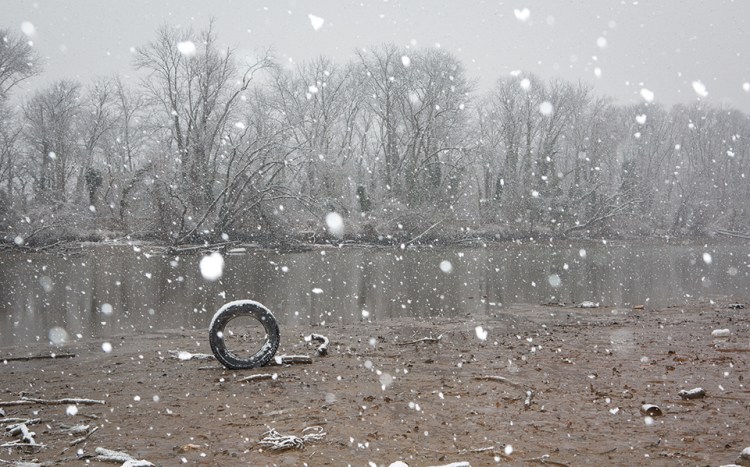
The Anacostia River is one of those sacred, desecrated places. I have long kept a Berry poem as a talisman in my work on the river, a sacred tree around which to walk when I am lost.
It’s called The Wild.
In the empty lot —
a place not natural, but wild —
among the trash of human absence,
the slough and shamble of the city’s seasons,
a few old locusts bloom.
A few woods birds fly and sing in the new foliage
warblers and tanagers,
birds wild as leaves,
in a million each one would be rare,
new to the eyes.
A man couldn’t make a habit of such color,
such flight and singing.
But they’re the habit of this wasted place.
In them the ground is wise.
They are its remembrance of what is.
What happens to a human creature stripped of the sacred, without remembrance of what is?
I have recently been reading an Erich Fromm book published in 1941 called Escape From Freedom. It’s about the urge toward fascism, an urge Fromm suggested was deeply rooted in the human psyche, in that place where we grapple with our insignificance and helplessness, our isolation as little selves alone in a great indifferent universe. This book could have been written in 2026 with different names and cultural trends, but with little revision otherwise.
If Fromm could see us now, would he throw up his hands in utter defeat, stockpile shelf-stable foods and binge-watch British crime shows until the Armageddon arrives?
Or maybe would he happen upon Annie Dillard or Wendell Berry and understand something that was not available to him in the middle of the last century. And maybe he would find a reservoir of hope for our little lost species.
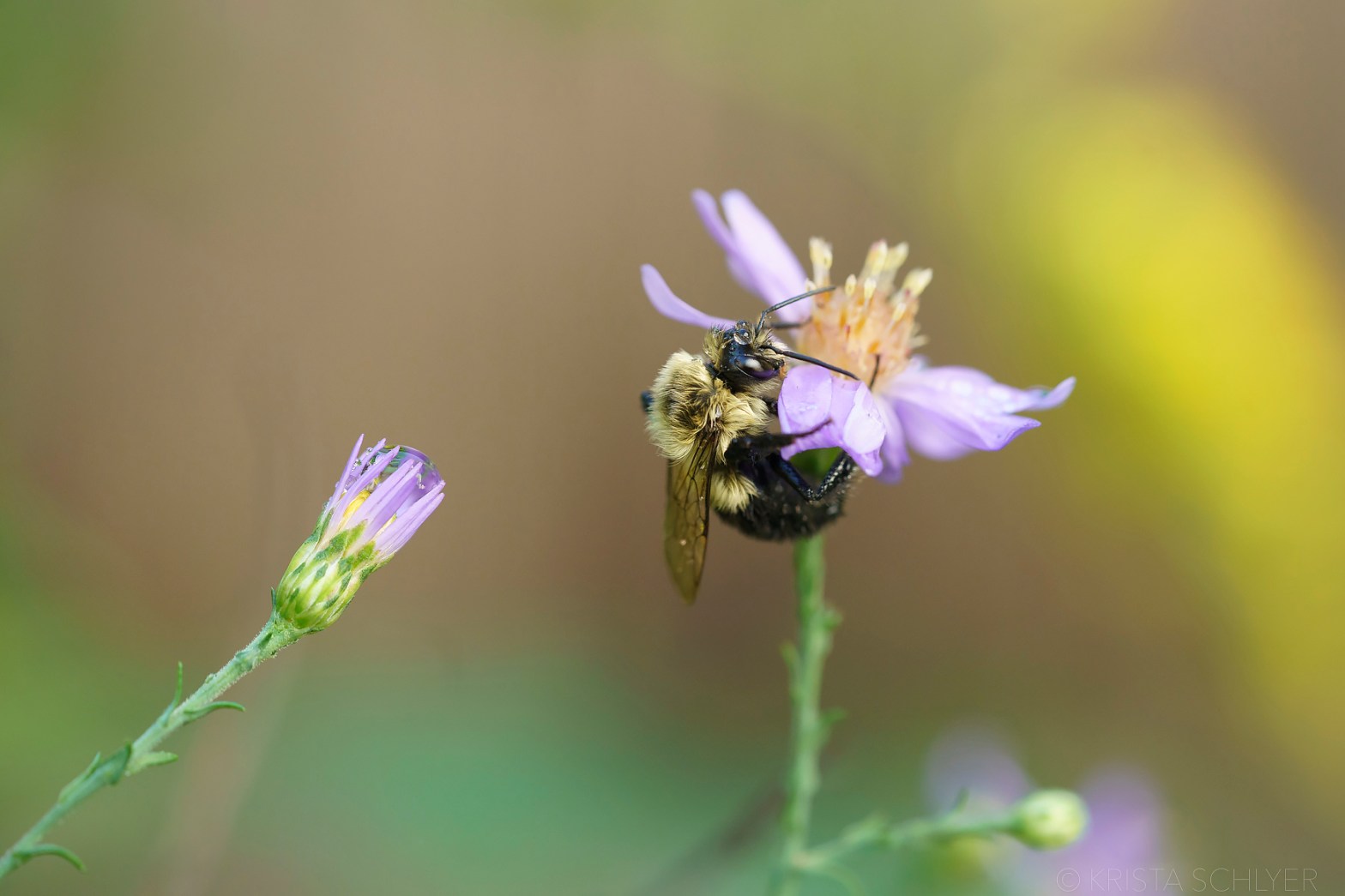
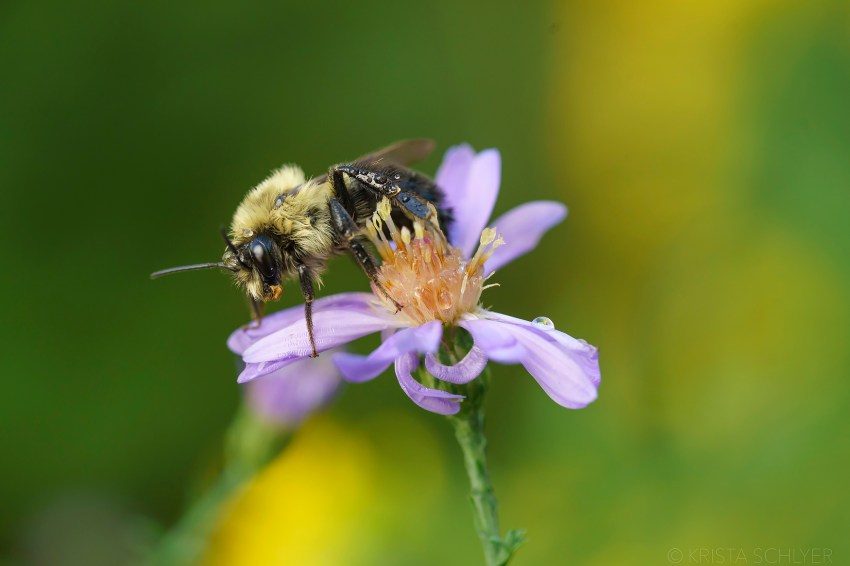
Now I am drawn out to the late-blooming purple aster, if not for answers, then at least for an injection of existential ease, where the last of the bumblebees are waking up, weighted by a cold dew from last night’s rain. Heavy as they are, still, they will be drawn into day by the warm sun of a cloudless sky.
Work-News
FIRST MATE’s LOG — Season 2, Pringles for Poseidon
The second season of my narrative podcast is now available at Patreon.com/FirstMatesLog.
The Log is a journey of dreams, setbacks and recalibration from the decks of the Sailing Vessel Maggie May.

Be well,
Krista
Discover more from KRISTA SCHLYER
Subscribe to get the latest posts sent to your email.


Krista,
Thanks for leaving a droplet of beauty in my world today.
Andy
Thank you Andy
Beautifully written.
Thanks Kathlene